
Our hunter-gatherer ancestors needed information to survive. For them, “the news” was whatever was going on in and around the tribe. The information was urgent and vital. If there was trouble brewing between two families, or if a pride of lions was moving into their territory, they needed to know about it.
Furthermore, the information was always actionable. They could actually do something about the news: take preventative measures, prepare for conflict, or pack up and move. Knowing what was happening and what was about to happen could have meant the difference between life and death.

Because of this, we evolved to crave information, just like we crave salt, fat, and sugar. It’s why we love gossip. It’s why so many of us compulsively check the news. It’s human nature to want to know what’s going on at all times and to use that information to predict the future. But like so many features of our evolved psychology, this craving no longer serves us.
The vast majority of the news we consume is useless. It’s almost never urgent or vital to our lives. And it’s rarely actionable.
The news media, however, does an excellent job of hiding this from us. The news is always presented as urgent and vital. It’s always framed as something we “need to know,” even though the majority of the stories are about events far away that we have no control over. It’s delivered at breakneck speed, strengthening the illusion of urgency.

And much of the news today isn’t even about what has just happened but what is about to happen. It’s about predicting the future. How will the stock market react to a yet-to-be-reached peace deal? Who will win the next election? The unstated promise is that consuming the news will reduce our uncertainty about the future. But uncertainty is just a fact of life, and no amount of information will make it go away.
These techniques do an excellent job of tapping into human nature in order to get us to keep reading or watching. All of this news consumption feels like the right thing to do, despite how useless it is in practice.
Oh, and the news is almost entirely negative. So we’re left feeling both upset and powerless, which is a great recipe for anger and anxiety.
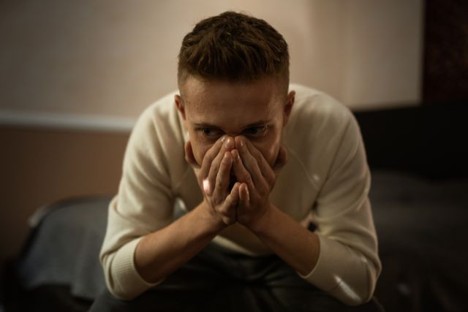
Thus, in the same way that the modern world’s overabundance of easy pleasure has us overwatered, the never-ending stream of news has us overinformed. Something that was good for our ancestors is now flooding our brains and damaging our mental health.
Actually, to call us “overinformed” might be giving us too much credit. The modern norm is skim headlines but rarely read articles, to catch soundbites on social media rather than listen to in-depth coverage. This shallow style of news consumption shortens our attention span and encourages us to oversimplify the complex world we live in. So we’d be wise to reduce our frequency of news consumption while increasing our depth. It’s usually during a deep read that I discover the situation is far more nuanced than it first appeared, and, often, surprisingly, more hopeful.
P.S. If you’d like to experience the modern news with a once-daily deep look, I highly recommend Tangle. They’re nonpartisan, humble, and thoughtful – all things sorely lacking from conventional news sources.
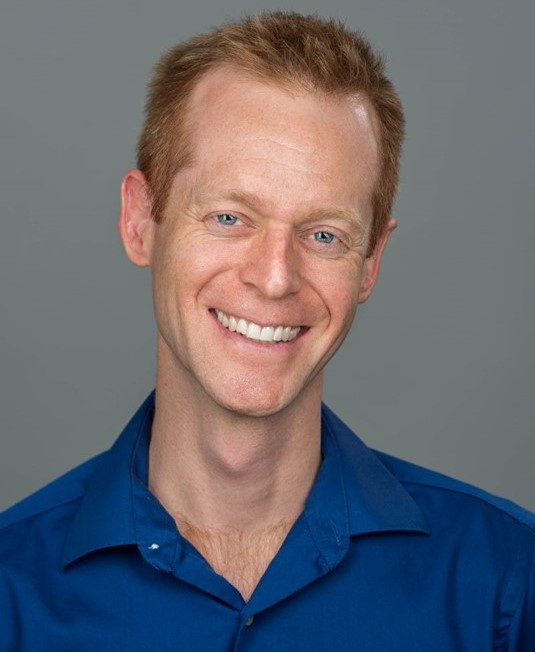
Chris Loper has been writing about self-improvement and helping busy adults with habit formation since 2017.
He also writes an education blog for parents and students for Northwest Educational Services.
Along with Greg Smith, Chris is the cocreator of Parenting for Academic Success, a series of transformative classes that create empowered parents, confident students, and harmonious families.
His most recent endeavor combines his academic and habit-formation expertise to help students thrive in college. Visit SmartCollegeHabits.com to learn more.
In 2021, Chris published a humorous memoir titled Wood Floats and Other Brilliant Observations, a book that blends crazy stories with practical life lessons.
He lives in Issaquah, WA where he is the owner of South Cove Tutoring.