Willpower. Discipline. Grit. Self-control.
Call it what you want to, but we can all agree on two things: it’s important, and we don’t have enough of it.
So, like any critical but finite resource, we need to spend it wisely. To do that, we have to know what willpower is actually for.
Willpower, when used appropriately, should be spent in just two ways:
- Investing in better habits when you have time and energy to spare.
- Survival and maintenance when you don’t.
Investing
When you find yourself blessed with more willpower than you need, the smart move is to invest it in building better habits. The goal here is to automate beneficial behaviors that you either aren’t doing consistently or aren’t doing at all.
One excellent option is to build a deep work habit: getting yourself to regularly devote time to an important project that requires serious focus. If you can turn deep work into a routine, you won’t have to spend willpower on making yourself do it. As a result, you’ll do it more often, and it will be easier. This both increases your creative output and reduces your daily willpower expenditures. The same logic would apply to developing the habit of doing your physical therapy exercises. Making your PT a routine would cause you to do it more regularly but require less discipline.
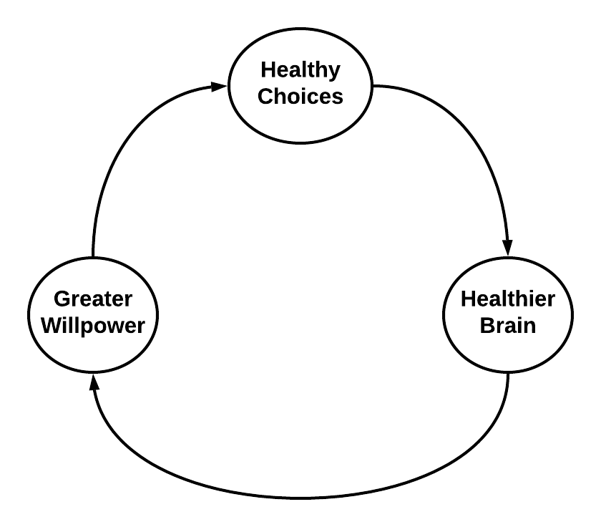
The other investment I recommend is building better brain health habits. Spend willpower on improving your sleep, nutrition, or exercise. Create a yoga or meditation habit. These are things that improve your baseline brain function, so they increase the amount of willpower you have in the long run. That extra willpower gives you even more to invest in similar habits, further improving your brain health and willpower. In other words, spending willpower to develop better brain health habits provides an excellent return on investment, which can kick-start a positive feedback loop.
An important caveat is to work on only one new habit at a time. Investing willpower is different from investing money; diversifying is a bad strategy. Devote your short-term efforts to building up one new habit until it’s running on autopilot. Then you can work on a second habit.
If you’d like further guidance, hit me up for habit coaching.
Survival and Maintenance
Of course, you won’t always have willpower to spare. When your days are overscheduled and stressful. When you get hit with a series of unexpected problems. When the world seems to be conspiring to make your life difficult.

During such times, do not attempt to build new habits. During such times, your willpower should be reserved for surviving the storm and maintaining the good habits you already have.
Don’t allow unfortunate circumstances to be an excuse to let your daily disciplines fall apart. Push yourself to keep doing the healthy things you’ve been doing. Give yourself permission to suck at those habits but not permission to skip days or stop altogether.
Give yourself permission to be human when things are hard, but don’t use hard times as an excuse to do things you’ll later regret. Stay true to your values despite how difficult things are right now.
But what if you’re always in survival mode?
“Discipline can get you through bad days, but if it’s getting you through months, you’re going to burn out.” –Shane Parrish1
If you’ve been in the trenches for months or even years, I’ve got bad news for you: no one is coming to rescue you. It’s up to you to get yourself out.

The first step is to reduce your obligations. Is there anything you’ve been saying “yes” to that you could start saying “no” to? Can any of your work be delegated, streamlined, or eliminated? (See also: How to Overcome the Planning Fallacy)
I recognize that this isn’t always possible. You might be a single mom working two jobs while caring for elderly parents and dealing with your own mental and physical illnesses. The world is often unfair, and life regularly gives people greater burdens than they deserve. This doesn’t change the fact that you’re the only one who can help yourself.
So regardless of how difficult your situation is, the second step is to invest a tiny amount of willpower in a tiny habit that provides a return on investment. Meditate for one minute per day. Go to bed five minutes earlier. Exercise for one song first thing in the morning. The brain health benefits of such tiny habits are also tiny, but everything counts.
When you’re stretched thin, taking on anything new is incredibly hard. That’s why you have to start super small. Once the behavior has become routine, you can build on it. Increase your daily meditation to two minutes. Go to bed 10 minutes earlier. Exercise for two songs. Don’t push too hard too fast. Slow and steady. A good rule of thumb is one small increase per month.
Another option is to spend willpower in a way that gives you a return on investment of time. Meal prepping on Sunday is a common practice that saves time during the work week. It means you have to work hard for several hours on a day you’d rather be relaxing, but the efficiency gains are worth it.
Or consider starting a side hustle that’s more lucrative than your job. If you can replace some of your income with self-employment, you can cut back your hours at work. Then, you can take that hard-earned slack and reinvest it in creating healthier habits or growing your business. There’s no guarantee it will work, but it is a potential path to freedom. This is how I went from working 60-hour weeks to working 30-hour weeks while simultaneously increasing my income.
For inspiration and guidance, visit SideHustleNation.com.
1https://fs.blog/brain-food/august-30-2026/
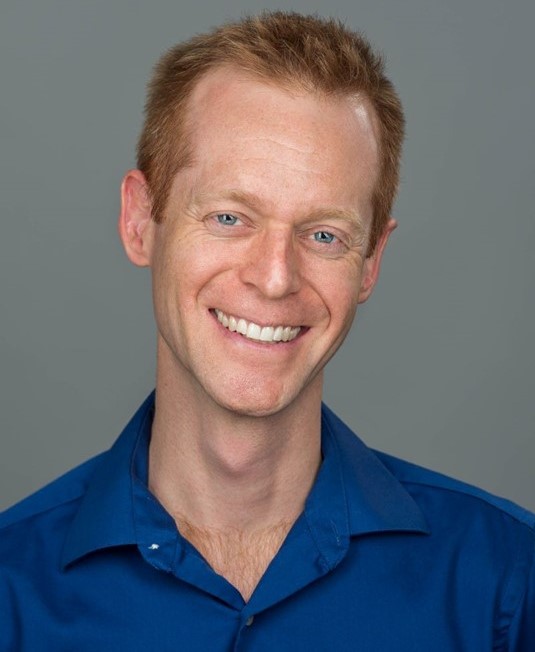
Chris Loper has been writing about self-improvement and helping busy adults with habit formation since 2017.
He also writes an education blog for parents and students for Northwest Educational Services.
Along with Greg Smith, Chris is the cocreator of Parenting for Academic Success, a series of transformative classes that create empowered parents, confident students, and harmonious families.
His most recent endeavor combines his academic and habit-formation expertise to help students thrive in college. Visit SmartCollegeHabits.com to learn more.
In 2021, Chris published a humorous memoir titled Wood Floats and Other Brilliant Observations, a book that blends crazy stories with practical life lessons.
He lives in Issaquah, WA where he is the owner of South Cove Tutoring.